
Top 10 Benefits of Chenille Fabric for Global Buyers?

Chenille Fabric has gained popularity worldwide due to its unique texture and versatility. According to renowned textile expert Dr. Emily Carter, "Chenille Fabric brings comfort and style to any living space." This fabric is not just about aesthetics; it offers practicality that many buyers appreciate.

The soft, velvety texture of Chenille Fabric makes it a preferred choice for upholstery, bedding, and interior décor. Its ability to resist wear and tear adds to its appeal. Buyers benefit from its durability while enjoying a cozy environment. However, not all Chenille Fabrics are equal. Quality can vary widely, which makes careful selection essential.

For those in the market, understanding the advantages of Chenille Fabric is crucial. It is essential to weigh the pros and cons based on individual needs. As we dive into the top benefits, let’s explore how this fabric can elevate both functionality and aesthetics in various applications.
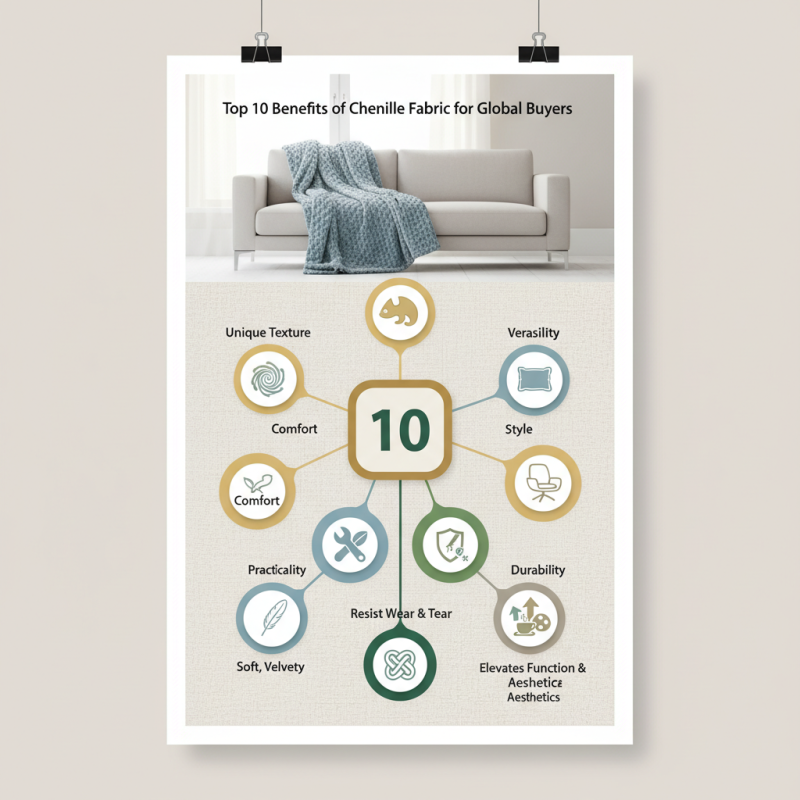
Top 10 Benefits of Chenille Fabric for Global Buyers?

Overview of Chenille Fabric and Its Global Popularity

Chenille fabric has gained significant popularity worldwide, celebrated for its unique texture and durability. This soft, yarn-based fabric features a velvety feel, making it ideal for various applications. It is often used in home décor, upholstery, and fashion. Global buyers appreciate how chenille can elevate the aesthetic of any product.

When considering chenille, keep in mind the weight of the fabric. Heavier options tend to offer durability, while lighter versions are more versatile. Inspection of the fabric's weave is essential; tightly woven chenille typically lasts longer. Customers should also think about colors and patterns available, as chenille offers a plethora of choices to match various designs.

For those new to chenille, understanding its care requirements is crucial. It is best to dry clean to maintain its texture. Washing can lead to pilling or distortion. If you decide to wash it at home, use cold water and a gentle cycle. Pay attention to how the fabric reacts to different cleaning methods; this knowledge can help prevent damage.

Durability and Longevity of Chenille Fabric in Various Applications

Chenille fabric stands out for its unique softness and luxurious texture. Its durability sets it apart in various applications, whether in upholstery or clothing. Unlike many fabrics, chenille can withstand significant wear. This makes it ideal for high-traffic areas like living rooms or public spaces.

In practical terms, chenille resists fading and retains its vibrant colors over time. For instance, a chenille sofa can maintain its appearance for years, even with daily use. This durability may not be evident in some cheaper materials, which can fray or fade quickly. Additionally, the fabric is easy to care for, often requiring just a gentle wash or wipe.

However, buyers should be aware that not all chenille fabrics are created equal. The quality can vary based on the manufacturing process. Some versions may not hold up as well under pressure. It’s crucial to assess the fabric’s weight and construction. A heavier, well-constructed chenille offers better durability. Consider the intended application to ensure long-term satisfaction with this versatile fabric choice.

Comfort and Softness: Reasons Chenille is Preferred in Upholstery

Chenille fabric stands out for its incredible comfort and softness. This material feels luxurious against the skin, making it a popular choice for upholstery. The texture is both inviting and cozy, encouraging people to relax. Many buyers appreciate the gentle touch of chenille, especially in home furnishings like sofas and chairs. This fabric creates a welcoming atmosphere in any space.

The softness of chenille doesn’t sacrifice durability. While it feels delicate, it holds up well under everyday use. This balance makes it ideal for homes with children or pets. However, maintaining its appearance can be a concern. Regular cleaning is necessary to keep chenille looking fresh. Some fabric detergents may not be suitable, leading to discoloration over time. Understanding the care requirements helps buyers make informed decisions.

Overall, chenille's comfort enhances the appeal of any upholstery project. Its unique texture adds depth and interest to furniture design. While the maintenance may require extra effort, the result often justifies this investment. Choosing chenille is not just about aesthetics; it’s about creating a space that feels good.

Versatility of Chenille: Ideal Uses in Fashion and Home Decor

Chenille fabric stands out for its versatility in both fashion and home decor. It is a soft, luxurious material, known for its unique texture. The fabric has gained popularity among designers and consumers alike. A 2021 market report highlighted that the global chenille fabric market is expected to reach over $1 billion by 2025, reflecting its growing demand.

In fashion, chenille offers a cozy feel and is often used in sweaters, scarves, and accessories. Its plush texture makes it suitable for casual wear. Additionally, the rich colors and patterns available allow designers to experiment creatively. However, fashion brands must consider the fabric's durability. Some users report that chenille may not withstand heavy wear and tear, raising questions about its longevity.

When it comes to home decor, chenille is favored for upholstery, curtains, and throws. It adds warmth and elegance to any space. The ability to easily clean chenille is a significant advantage; however, it requires care to avoid fading. According to industry experts, the balance between aesthetics and practicality is essential in home applications. Many homeowners appreciate chenille for its tactile appeal, despite the occasional need for repairs or maintenance.

Sustainability of Chenille Fabric: Environmental Considerations for Buyers

Chenille fabric is gaining attention for its sustainability. Many buyers seek eco-friendly options. This fabric is often made from recycled materials. It minimizes waste and reduces carbon footprints. Utilizing chenille can lead to a more sustainable supply chain.

However, not all chenille is equal in sustainability. Some manufacturers may not follow eco-friendly practices. Buyers need to research the sourcing and production methods. Transparency is crucial in this process. Engaging with manufacturers about their practices can provide invaluable insights.

The use of chenille can also promote durability. High-quality chenille represents a long-lasting choice. This aspect decreases the frequency of replacement. While the aesthetics are appealing, the environmental impact should not be overlooked. Mindful choices can contribute to a healthier planet.

Top 10 Benefits of Chenille Fabric for Global Buyers

Benefit Description Sustainability Considerations
Soft Texture Chenille fabric is known for its velvety and soft texture, providing comfort. Sustainable sourcing can enhance softness while minimizing environmental impact.
Versatile Usage Suitable for various applications including upholstery, garments, and accessories. Support for organic and recycled materials can enhance versatility sustainably.
Durability Chenille is durable and can withstand regular use, reducing replacement needs. Longer lifecycle reduces waste and resource consumption over time.
Color Retention Holds dye well, allowing for vibrant color options in products. Ethical dyeing processes can further minimize harmful environmental effects.
Insulation Properties Provides warmth, making it ideal for winter clothing and home decor. Natural fiber alternatives can offer improved thermal insulation sustainably.
Aesthetic Appeal Luxurious look and feel, enhancing the visual appeal of products. Supporting artisans and local crafts enhances cultural aesthetics sustainably.
Easy Maintenance Generally easy to clean and maintain, making it practical for consumers. Eco-friendly cleaning solutions can reduce water and chemical usage.
Hypoallergenic Less likely to irritate sensitive skin, making it suitable for all users. Using organic fibers can improve hypoallergenic properties sustainably.
Affordability Cost-effective compared to other luxury fabrics, appealing to budget-conscious buyers. Investing in sustainable practices can also lead to long-term cost savings.
Wide Range of Applications Can be used in a variety of industries, including fashion, interior design, and more. Diversifying fabric sources can enhance sustainability across applications.

Before you go

Leave your projects details, and one of our team will reach out to answer any questions you may have