What is a Casement Window and How Does It Work?
Casement windows are a popular choice for many homeowners. These windows are hinged at the side and open outward, offering excellent ventilation. According to a recent report by the American Architectural Manufacturers Association, casement windows are one of the most energy-efficient options on the market, thanks to their tight seal when closed. This design reduces air leakage and can save homeowners on energy bills.
The flexibility of casement windows allows for larger glass areas, which enhances natural light. Homeowners often appreciate the unobstructed views they provide. However, they can be more challenging to clean and maintain, especially in hard-to-reach areas. The ease of use is often a point of reflection; while they are simple to operate, it is crucial to ensure they are properly maintained.
Choosing casement windows might not be the best fit for every home design. They require adequate space to open fully, which may be limited in some settings. This factor can limit their practicality in tighter spaces. Exploring various designs can lead to a more informed choice, unearthing both the benefits and drawbacks of casement windows.
What is a Casement Window?
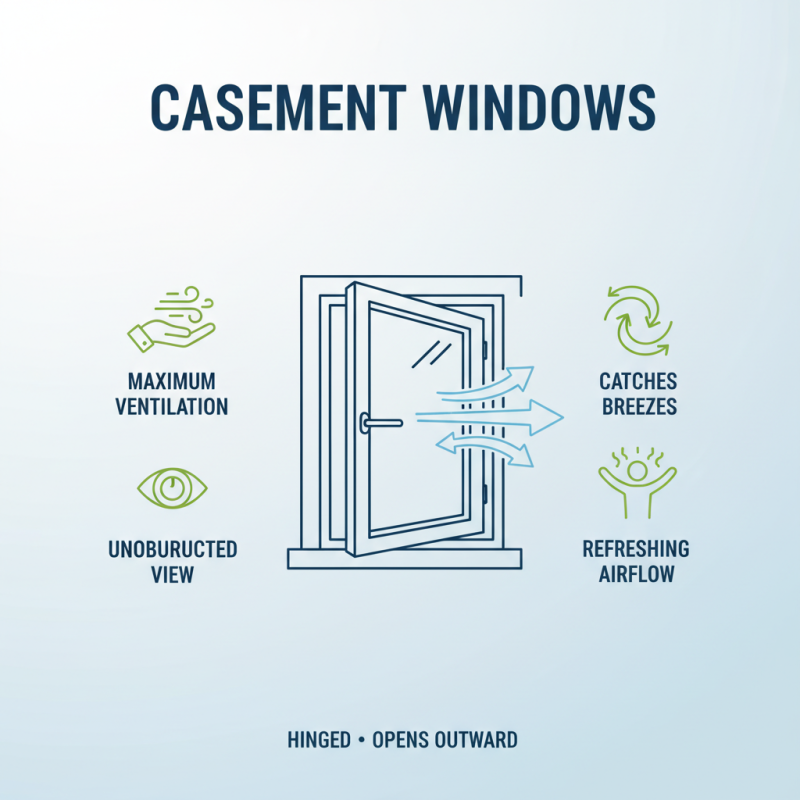
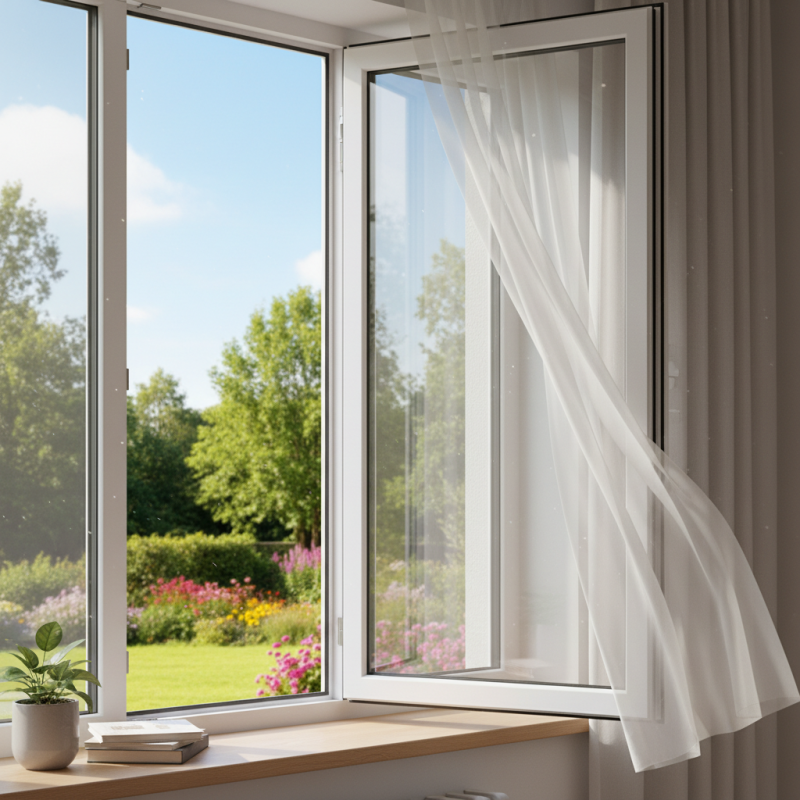
A casement window is a type of window hinged at the side. This allows it to open outward, offering a unique design. The basic function is simple. When the handle is turned, the window swings open, allowing airflow. Unlike sliding windows, casement windows open fully, providing an unobstructed view.
According to industry reports, casement windows can improve energy efficiency. They create a tight seal when closed, reducing air leakage by up to 45%. This efficiency can lead to energy savings for homeowners. However, installation can be tricky. Poorly fitted windows may not seal properly, leading to drafts. Many overlook this, resulting in inefficiency.
Most casement windows are made from vinyl or wood. Each material has benefits and drawbacks. Wood offers a classic look but requires regular maintenance. Vinyl, while low-maintenance, may not suit every architectural style. Finding the right balance is crucial. Homeowners often struggle with these choices, reflecting personal taste and practical needs.
Key Features of Casement Windows
Casement windows are popular for their unique design and functionality. They are hinged on one side and open outward, allowing for maximum ventilation. This design also provides an unobstructed view. Homeowners appreciate their ability to catch breezes from various angles. When you fully open a casement window, it can create a refreshing flow of air.
Another key feature is their energy efficiency. Casement windows often come with a tight seal when closed, reducing drafts. This can lead to lower energy bills. They are often made of durable materials, ensuring longevity. However, some may find them difficult to clean, especially if they’re installed in hard-to-reach places. This can be a real hassle for those who prioritize upkeep.
Aesthetic appeal matters, too. Casement windows come in several styles and finishes, fitting various home designs. They can be paired with grids or left without them for a modern look. However, it’s essential to consider how they will affect your home’s overall appearance. Choosing the right style can enhance the architecture. But, an unsuitable choice might disrupt the home’s flow.
How Casement Windows Function Mechanically
Casement windows are known for their unique opening mechanism. These windows are hinged on one side and open outward, similar to a door. They allow for excellent airflow when fully opened. The breeze flows freely into the home. This feature makes them ideal for areas with a lot of wind. Opening these windows can require a bit of effort, as they often use a crank mechanism. This mechanism can sometimes feel stiff, especially when not maintained properly.
Mechanically, casement windows operate through a simple structure. A crank handle controls the window's motion. Turning the crank pulls on a series of metal arms, which push the window frame open. This design is effective but can present challenges. Over time, mechanical parts may wear down. A rusty crank can lead to frustration during use. Regular maintenance is crucial to keep everything functioning smoothly.
Casement windows also have a locking system for security. This feature is often robust. However, if forgotten, the lock can jam or become stuck. Proper care is essential to prevent issues. Checking the windows regularly for debris and wear is a good practice. Small details can make a significant difference in their longevity and performance.
What is a Casement Window and How Does It Work?
| Feature |
Description |
Benefits |
| Operation |
Opens outward via a side-hinge |
Maximizes ventilation and views |
| Material Options |
Wood, vinyl, aluminum, fiberglass |
Variety for aesthetics and performance |
| Energy Efficiency |
Commonly double or triple-glazed |
Reduces heating and cooling costs |
| Security |
Locking mechanism integrated |
Enhanced home security |
| Installation |
Can be more complex than fixed windows |
Professional installation recommended |
Benefits of Installing Casement Windows
Casement windows offer several advantages that can enhance your home. One major benefit is their energy efficiency. The design allows for a tight seal when closed, reducing drafts and heating costs. Proper installation can significantly improve insulation.
Tip: Ensure you choose windows with high-quality materials. This can prevent future issues related to wear and tear.
Another advantage is the ease of use. Casement windows open outward using a crank. This design allows for maximum ventilation. When fully opened, they create a larger opening for fresh air.
Tip: Regular maintenance is essential. Check the hinges and crank mechanism periodically. This helps maintain functionality and avoids unexpected repairs.
Additionally, casement windows can offer unobstructed views. The large glass panes provide a clear sightline to the outside. This can make your living space feel larger and more connected to nature.
Tip: Consider the placement of plantings outside your windows. High plants can block your view, so choose wisely.
Benefits of Casement Windows
Common Applications and Styles of Casement Windows
Casement windows are often praised for their versatility and functionality. They hinge on one side and open outward, providing excellent ventilation. This design makes them ideal for areas where airflow is crucial, such as kitchens and bathrooms. They can be used in traditional and modern homes alike, fitting seamlessly into a variety of architectural styles.
One common application of casement windows is in hard-to-reach places. Their easy crank handle allows you to open them with minimal effort. This feature is especially valuable in upper stories or above kitchen sinks. Additionally, casement windows can be arranged in combinations to create stunning visual appeal. Think of large, multi-pane setups that flood a living room with light. While this looks beautiful, it may not always be the most practical choice for cold climates, as they might lead to heat loss.
When selecting casement windows, consider the style that best suits your home. Customization options include different frame materials and colors, which can enhance your home’s curb appeal. However, some homeowners rush into decisions. It’s important to carefully weigh the aesthetic against functionality and energy efficiency. Reflect on your lifestyle and needs before committing to a style, as certain designs may require more maintenance over time.