What Are the Top Types of Flat Roof Lanterns?
Choosing among flat roof lanterns can change how a room feels, performs, and ages. A well-positioned lantern may bring daylight deep into a kitchen, extension, or commercial interior. However, appearance alone can mislead. Frame design, glazing specification, thermal performance, ventilation, and drainage deserve equal attention.
Chris Yates, a recognised rooflight industry specialist, has said, “Good daylight design starts with understanding the room, not choosing the product.” That principle guides this overview of the main flat roof lantern types, including traditional framed, contemporary frameless, pyramidal, and bespoke designs. Each option creates a different visual effect. Some produce strong architectural lines. Others offer cleaner views of the sky.
Small details matter.
For example, a dark aluminium frame can sharpen a modern extension, while slim sightlines may make a compact room feel less enclosed. Glass selection also affects comfort. Low-emissivity coatings can reduce heat loss, while solar-control glass may limit glare during bright summer afternoons. Yet no lantern performs perfectly in every setting. A south-facing roof can create impressive brightness, but it may also cause overheating without shading or ventilation.
This guide considers practical experience, manufacturer specifications, and installation quality. It also recognises an often-neglected truth: even an expensive lantern can underperform when the roof opening, kerb, or drainage is poorly prepared. Comparing the top types of flat roof lanterns therefore requires more than judging photographs. It requires careful attention to the building, the occupants, and the climate around it.
What Defines a Flat Roof Lantern?
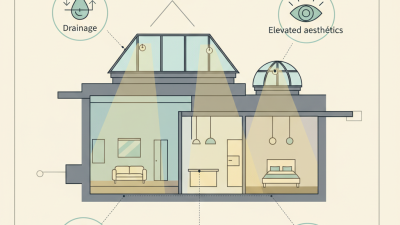
A flat roof lantern is a raised glazed structure installed above a flat roof. Unlike a rooflight, it usually has a framed shape with sloping glass panels. This angled form helps rainwater run away and creates a brighter, more spacious interior. The roof below remains broadly flat, while the lantern adds height and architectural interest.
The most recognisable types include pyramid, hipped, ridge, and rectangular lanterns. Pyramid lanterns suit compact rooms and spread daylight evenly. Hipped designs have sloping ends, giving a softer appearance from outside. Ridge lanterns use a longer central roofline, making them useful for kitchens, extensions, and open-plan spaces. Low-profile rectangular versions can look quieter, though they may provide less dramatic daylight.
Details matter.
In practice, I would examine the roof structure before choosing a lantern. The opening must be properly supported, insulated, and weather-sealed. Poorly planned drainage can leave water near the frame, while excessive glass may cause glare or summer overheating. Modern double glazing, solar-control coatings, and opening vents can improve comfort, but each option changes the cost and maintenance needs. A qualified roof professional should check the design, especially on older buildings. The perfect lantern does not exist; room direction, roof size, and personal comfort often conflict. A smaller, well-positioned lantern may perform better than a larger one placed without careful thought.
Fixed Flat Roof Lanterns for Simple Daylighting
What Are the Top Types of Flat Roof Lanterns?
Fixed flat roof lanterns are a practical choice when a room needs steady daylight without opening sections. They use sealed glazing and a permanent frame. This keeps the design simple and reduces moving parts. In a kitchen, hallway, or home office, daylight can spread across surfaces that windows often miss. Clear glass creates a brighter view of the sky, while tinted or low-emissivity glass can reduce glare and heat gain.
The frame must sit securely on a correctly prepared roof upstand. Poor alignment may cause leaks, drafts, or visible stress around the glazing. A professional installer should check the roof structure, drainage falls, flashing, and insulation before fitting. Size matters too. A large lantern may look impressive, but it can overheat a compact room during summer. Fixed lanterns also need regular cleaning, especially where rain leaves dust on shallow panes. I have found that simple designs are easier to maintain, though they are not always the cheapest option.
Tips: Choose glazing for the room’s direction and use. Check the lantern’s thermal performance before ordering. Leave space for safe cleaning access. Inspect seals after severe weather. A small installation mistake can become an expensive repair. It is worth questioning the first design rather than accepting it automatically.
Opening Flat Roof Lanterns for Natural Ventilation
What Are the Top Types of Flat Roof Lanterns?
Opening flat roof lanterns can turn a warm room into a fresher, brighter space. The main options include manual hinged lanterns, electric opening lanterns, and automatic systems with rain sensors.
Manual models suit smaller rooms and simple layouts. They usually use a pole or handle to lift one or more vents. Electric actuators offer easier control, especially when the lantern sits above a high ceiling.
Air movement depends on more than the opening mechanism. A lantern with opposing vents can encourage cross-ventilation when windows or doors are open elsewhere.
Warm air rises naturally, then escapes through the roof opening. Even a modest gap can release trapped heat from a kitchen or sunroom. The effect feels noticeable on a still summer afternoon.
Automatic controls add convenience, but they need careful adjustment. A rain sensor should close the vents quickly during sudden showers. Moisture, dust, and insects can still affect moving parts over time. Regular checks should include hinges, seals, actuator noise, and drainage channels.
I have found that many homeowners expect one opening lantern to cool an entire building. That assumption is often too optimistic.
Room size, glazing direction, insulation, and outside wind all matter. A qualified installer can assess airflow, safety limits, and suitable opening angles before installation. Ventilation should never depend on a control system that nobody remembers to test.
Pyramid and Hipped Roof Lantern Designs
Pyramid and Hipped Roof Lantern Designs
Pyramid roof lanterns rise to a single central point. Their four sloping sides create a clean, balanced profile. This design suits square rooms, garden extensions, and compact flat roofs. It also spreads daylight from several angles. The U.S. Department of Energy states that skylights can provide up to three times more daylight than same-sized vertical windows.
Hipped roof lanterns use a short ridge with sloping ends. They suit longer rooms and rectangular roof openings. Their shape often feels calmer and less dramatic than a pyramid lantern. However, the ridge can create uneven shadows during early morning and late afternoon. A recurring installation lesson is simple: attractive geometry cannot replace accurate structural planning. Roof loading, wind exposure, drainage channels, and thermal performance still matter. The International Energy Agency’s Buildings 2023 report notes that buildings use about 30% of global final energy. Daylight must reduce lighting demand without creating excessive summer heat.
Tips: Match the lantern shape to the room below. Use a pyramid design for central focus. Choose a hipped design for longer spaces. Specify low-emissivity glazing and external shading where overheating is possible. Check the roof opening with a qualified surveyor. Small measurement errors can become expensive leaks. The pyramid option is not always best, and that is worth reconsidering before ordering.